
Analysis. Optimization. Transformation.
So your processes become more efficient, your decisions more robust, and operational excellence is achieved.
Achieving more together
Through structured approaches that are individually tailored to your company, improvement potential can be identified and translated into viable solutions. This collaborative approach enables us to enhance your operational efficiency and sustainability.
Analysis
Systematically analyze processes and data to identify bottlenecks, dependencies, and root causes. This forms the basis for informed decisions and targeted improvements.
Optimization
Design solutions that optimize processes and eliminate critical vulnerabilities. The focus lies on creating efficient workflows, improving operational stability, and establishing clear, robust structures.
Transformation
Improvements are implemented by translating solutions into day-to-day operations and embedding them into existing processes. Ongoing monitoring and support ensure their long-term sustainability.
Dominik Lardon

Business Engineer for Process Design and Digital Solutions
I combine technical experience with business acumen to analyze and evaluate processes and develop effective solutions. My focus is on making complex systems understandable and designing improvements that work reliably in everyday operations.
Through my studies in Engineering and Management and various projects in production and services, I have learned to take a holistic view of processes – from data and analysis, to process design and optimization, to successful implementation.
Selected case studies
These case studies demonstrate how sound analysis leads to clear insights and how a structured, fact-based approach enables effective, practical improvements. They illustrate how companies can achieve tangible gains in efficiency and quality through clear structures, data-driven decisions, and intelligent automation – even when existing structures are still being developed or data is only available in a simple form.
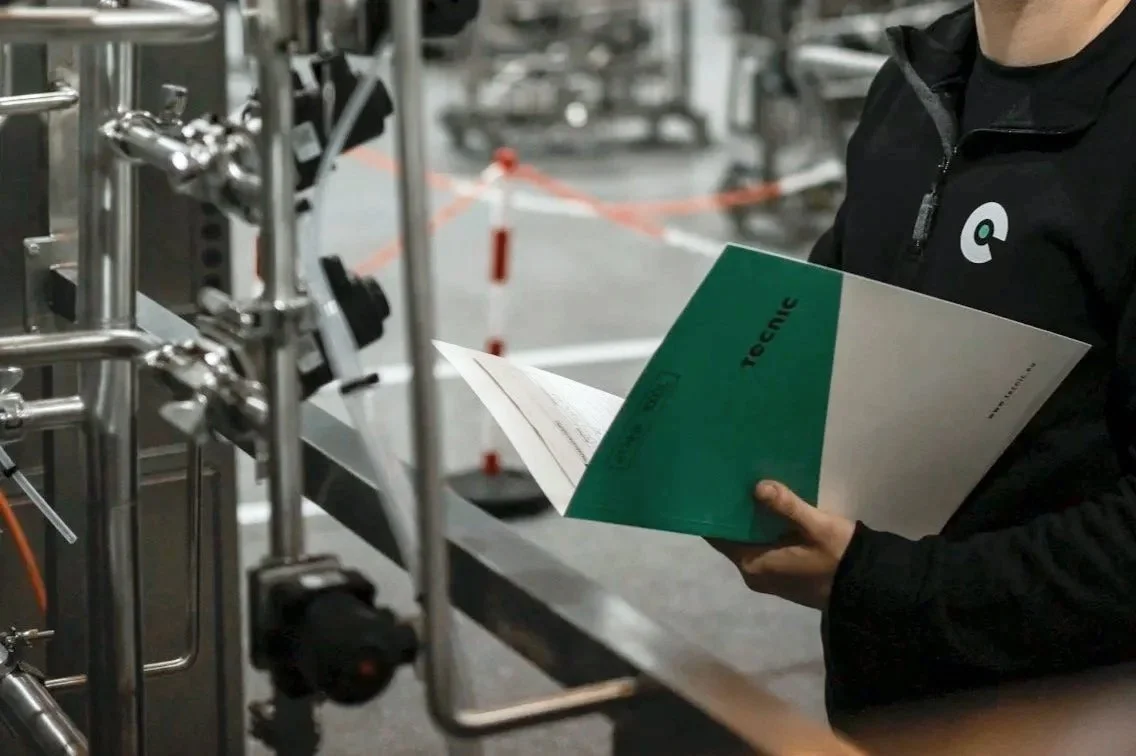
Analysis of operational processes based on interviews and shadowing
User-centered digitization of manual inspection steps
Reduction of media discontinuities between data capture, documentation, and evaluation
Iterative development and evaluation of prototypes
Economic evaluation based on a cost and revenue model
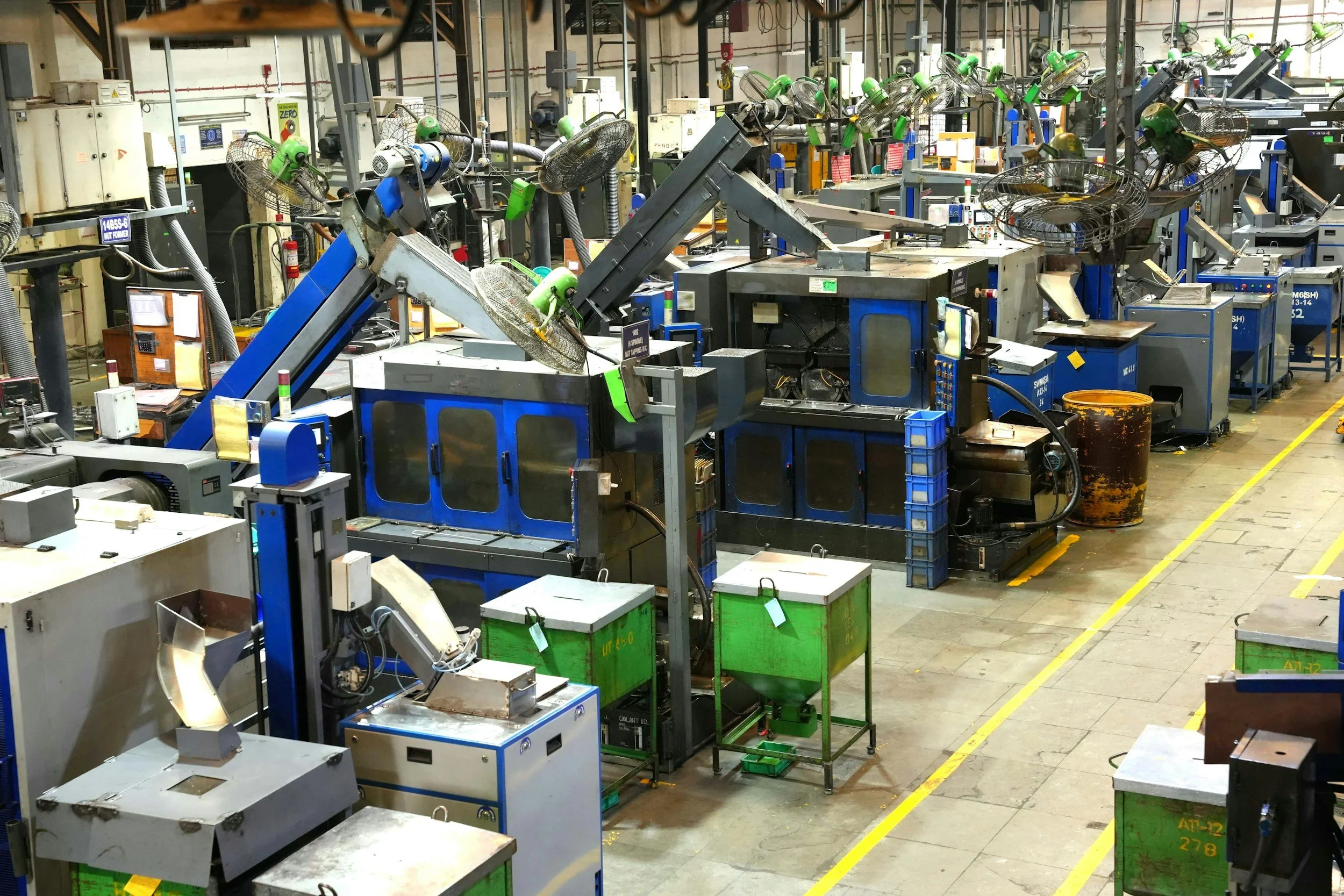
Development of a rolling planning system
Integrated order and workforce planning
Use of heuristics and optimization methods
Simulation-based scheduling based on the complete order backlog
Ability to adapt to disruptions and short-term changes

Data-driven analysis of demand and inventory trends
Derivation of robust, item-specific inventory planning logic
Reduction in average inventory levels while simultaneously improving service levels
Scalable replenishment concept across a store network
Economic evaluation based on a cost and revenue model